(Community Matters) On Tuesday, the gang of six took the tour – quite spectacular, not hard to see how the founder of Impressionism, Claude Monet (1840 – 1929), was inspired.
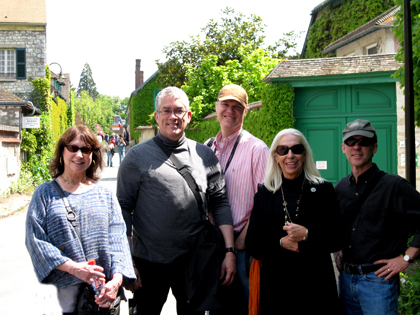
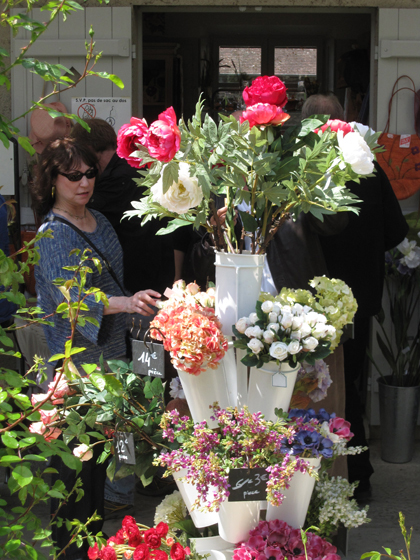
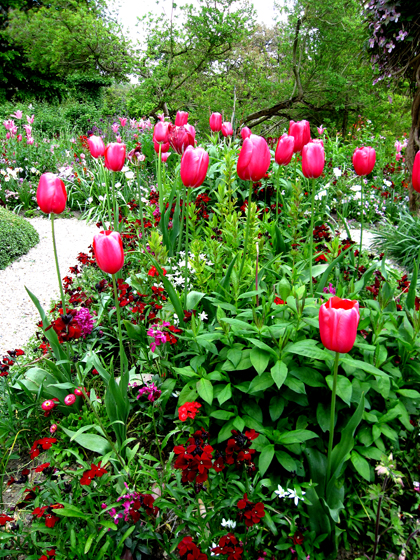
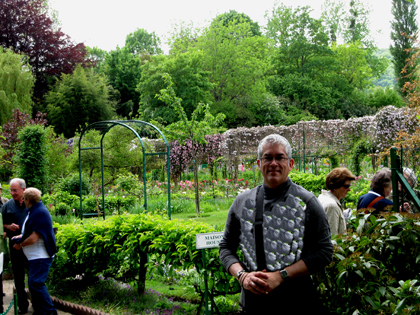
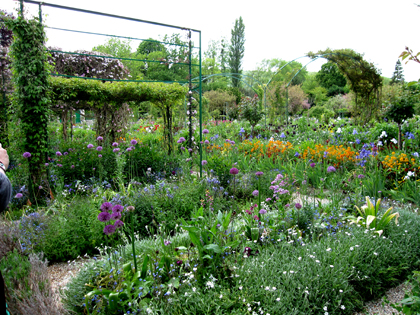

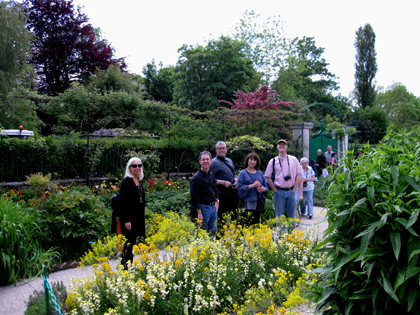
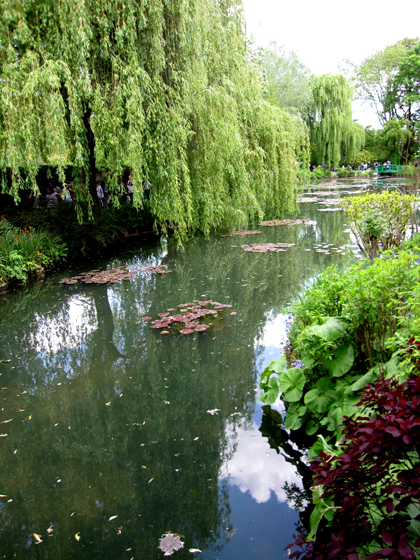
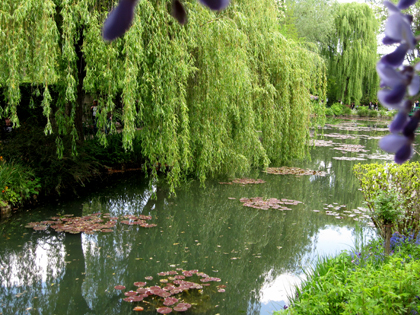


(Community Matters) On Tuesday, the gang of six took the tour – quite spectacular, not hard to see how the founder of Impressionism, Claude Monet (1840 – 1929), was inspired.
 from his master bedroom
 | Marianne on The Power of Purpose |
 | Brennan Griffin on Consensus – Austin as a… |
 | Brian Kelsey on Consensus – Austin as a… |
 | rgadler on Eloy Vela Sepulveda (1935… |
 | Janice and Jim Falic… on Eloy Vela Sepulveda (1935… |
 | inkydinkyparlezvous on Baby Sonya |

 Community Matters
To make your Giverny experience complete, visit the Orangerie in Paris (if you haven’t already). Toward the end of his life, Monet was out of fashion in the art world, crippled with arthritis, and alone. Georges Clemenceau, the French leader in WWI and Monet’s longtime friend, offered him a former royal greenhouse as an exhibition space. There, after Monet’s death, were hung the last, largest, and most abstract versions of “Les Nymphéas” (“Waterlilies”). The huge, dark murals have a sort of valedictory monumentality that remind me of the triptychs in the Rothko Chapel. Very much worth a visit as well for the small but stunning collection of postimpressionists.